

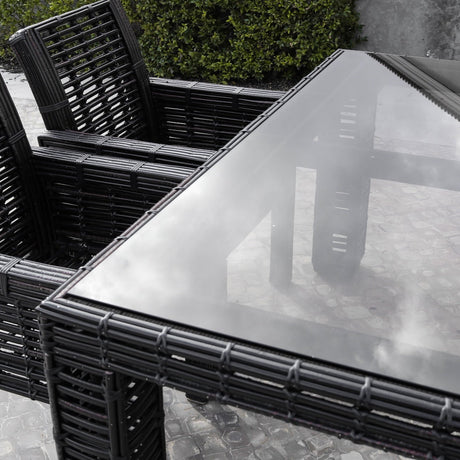
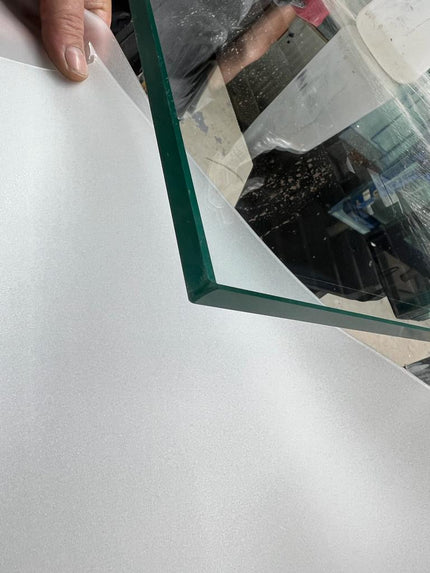
Clear Toughened Glass Table Top - Rectangular
Regular price £75.00Unit price /UnavailableIn stock (873 units)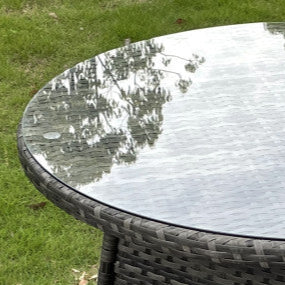
Clear Toughened Round Glass Table Top
Regular price £75.00Unit price /UnavailableIn stock (874 units)-
Grey Tinted Toughened Glass Table Top - Rectangular
Regular price £75.00Unit price /UnavailableIn stock (950 units) -
Low Iron Toughened Glass Table Top - Rectangular
Regular price £75.00Unit price /UnavailableIn stock (967 units) -
Grey Tinted Toughened Glass Table Top - Round
Regular price £75.00Unit price /UnavailableIn stock (986 units) 
Low Iron Toughened Glass Table Top - Round
Regular price £75.00Unit price /UnavailableIn stock (991 units)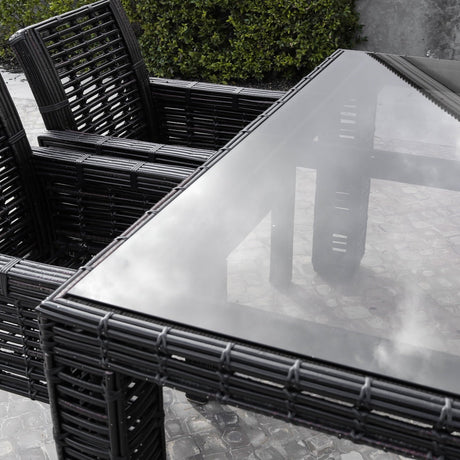
Satin Frosted Toughened Glass Table Top - Rectangular
Regular price £75.00Unit price /UnavailableIn stock (992 units)-
Bronze Tinted Toughened Glass Table Top - Rectangular
Regular price £75.00Unit price /UnavailableIn stock (995 units) -
Satin Frosted Toughened Glass Table Top - Round
Regular price £75.00Unit price /UnavailableIn stock (998 units)
GLASS SPLASHBACKS
Add style and practicality to your kitchen or bathroom with our bespoke glass splashbacks. Available in a wide range of colours, finishes, and custom designs, they protect your walls while creating a sleek, modern look.
-


Your Own Image Printed on a Bespoke Size Kitchen Splashback
Regular price £69.99Unit price /UnavailableIn stock (786 units) -
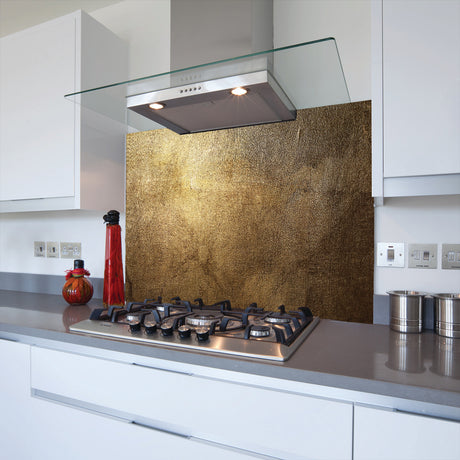

Printed Glass Kitchen Splashback Weathered Gold
Regular price £69.99Unit price /UnavailableIn stock (953 units) -


Printed Toughened Highland Cow Splashback in Colour
Regular price £69.99Unit price /UnavailableIn stock (979 units) -


Printed Glass Kitchen Grey Highland Cow Splashback
Regular price £69.99Unit price /UnavailableIn stock (972 units) -
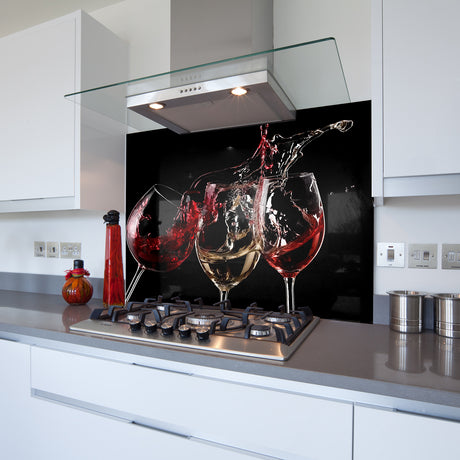
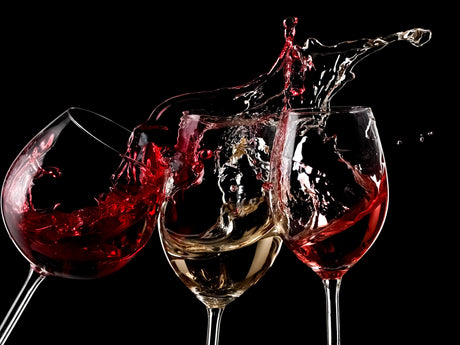
Printed Glass Kitchen Splashback Bespoke Size Toughened 3 Wine Glasses 2
Regular price £69.99Unit price /UnavailableIn stock (972 units)


Glass Table Tops
We work with five glass types, each with a different look and feel. Clear toughened glass suits most settings. Low iron glass removes the green tint you get with standard float glass, giving a true colour-neutral finish. Grey tinted glass adds depth without blocking light. Bronze brings warmth to darker interiors. And satin (frosted) glass softens the surface for a semi-obscure, contemporary look. You choose... Read More
Made to Order, Not Off the Shelf
There is no warehouse full of pre-cut glass sitting here waiting to ship. Every table top is manufactured after you place your order, cut to the dimensions you provide. That is the only way to guarantee a proper fit, especially for replacement glass where the measurements need to match an existing base or frame exactly.
We have been cutting and processing glass for over twenty years. In that time we have supplied table tops for everything from one-off kitchen tables to full restaurant fit-outs. The equipment, the materials, and the quality control are all under one roof in West Lancashire, which means we can turn orders around quickly and catch problems before they leave the workshop.
Choosing the Right Glass Type
The glass type affects how your table looks and how light passes through it. Here is what each option actually does.
Clear toughened glass is the standard. It does the job for most tables, protectors, and desk tops. Bear in mind that all standard float glass has a slight green tint, which becomes more noticeable as the glass gets thicker. If that matters to you, go with low iron.
Low iron glass is manufactured with reduced iron oxide content, which removes the green cast. It gives a cleaner, more transparent finish. Interior designers and architects tend to specify it where colour accuracy matters, such as over a painted or textured surface, or where the edge profile is visible and you want it crystal clear rather than green-tinged.
Grey tinted glass adds a neutral, smoky tone. It works well in modern and industrial interiors, and it reduces glare slightly compared to clear glass. The tint is consistent throughout the body of the glass, not a coating, so it will not wear or peel.
Bronze tinted glass has a warm amber tone that suits darker wood bases, leather furniture, and traditional settings. Like grey, the colour runs through the full thickness of the glass.
Satin (frosted) glass has an acid-etched surface that diffuses light and obscures what is underneath. It gives a softer, more contemporary appearance and hides fingerprints better than polished glass. Practical for desks and dining tables that see heavy daily use.
Getting the Thickness Right
Thickness is not just about strength. It also affects weight, rigidity, and how the glass looks on the table.
- 6mm — Suitable for smaller tables and glass protectors that sit on top of an existing surface. Light enough to lift easily, rigid enough for surfaces up to around 800mm across.
- 8mm — A good middle ground for dining tables and desks up to 1200mm. Noticeably more rigid than 6mm without adding excessive weight.
- 10mm — The go-to choice for larger dining tables, conference tables, and freestanding pieces where the glass spans a wider area. Provides a solid, premium feel.
- 12mm and 15mm — For heavy commercial use, large unsupported spans, or where you want the thickness itself to be a design feature. Restaurant and hotel projects often specify 12mm or above.
If your table base supports the glass fully underneath (a flat wooden or metal top), thinner glass works fine. If the glass spans an open frame or sits on legs at the corners only, go thicker. Not sure? Send us your dimensions and a photo of the base and we will recommend the right thickness.
Shapes and Edge Finishes
We cut rectangular, square, round, and oval shapes as standard. For non-standard shapes, such as D-ends, racetrack ovals, or irregular outlines, send us a template or a drawing with dimensions and we will work from that.
Every piece comes with flat polished edges as standard. That means the cut edge is ground smooth and polished to a clean finish with no sharp edges. If you want a bevelled edge for a more decorative look, that is available as an upgrade. Corners can be left square or radiused to your preferred curve.
Replacement Glass Table Tops
If you are replacing a broken or damaged table top, measure the original if you still have it, or measure the base and allow for any overhang. We need the length, width (or diameter for round tops), and the thickness of the original glass. If there were specific cutouts, notches, or holes for fixings, note those too.
Most replacement orders are straightforward. The main thing that catches people out is measuring for a round top that is not perfectly circular, or a rectangular top where the corners had a specific radius. When in doubt, make a cardboard template and send us a photo alongside the measurements.
How We Deliver
All glass table tops are packed in custom crating and shipped via specialist glass courier across the UK. We do not use standard parcel services for anything over 6mm because the breakage risk is too high. Lead times depend on the glass type and thickness, but most orders ship within five to seven working days.
Trade and Bulk Orders
We supply glass table tops to furniture makers, restaurant groups, hotel refurbishment contractors, and interior design studios across the country. If you need multiple pieces to the same or different specifications, get in touch for trade pricing. We are set up for batch production and can work to tight project timelines when needed.
FREQUENTLY ASKED QUESTIONS
What is toughened glass and why does it matter for a table top?
What is toughened glass and why does it matter for a table top?
Toughened glass (also called tempered glass) is heat-treated to be around five times stronger than standard annealed glass of the same thickness. If it does break, it shatters into small, blunt fragments rather than large sharp shards. Every glass table top we sell is toughened as standard. It is a safety requirement for furniture glass under BS EN 12150, and we would not supply it any other way.
How thick should a glass table top be?
How thick should a glass table top be?
It depends on the size of the table and how the glass is supported. For small tables and glass protectors, 6mm is usually sufficient. Medium dining tables and desks work well with 8mm or 10mm. For larger conference tables, freestanding pieces, or heavy commercial use, 12mm or 15mm is recommended. If the glass spans an open frame with no support underneath, go thicker than you would for a fully supported surface. We can advise if you send us your table dimensions.
Can I get a glass table top cut to a specific shape?
Can I get a glass table top cut to a specific shape?
Yes. We cut to any shape, including rectangular, square, round, oval, D-end, racetrack, and fully custom outlines. For non-standard shapes, send a drawing with dimensions or a physical template. If you have an existing piece you need matched, a cardboard cutout of the outline works well.
What is the difference between clear glass and low iron glass?
What is the difference between clear glass and low iron glass?
Standard clear glass contains iron oxide, which gives it a faint green tint. This is more visible at thicker gauges and when you look at the edge. Low iron glass has that iron content reduced during manufacturing, resulting in a colour-neutral, crystal-clear finish. If colour accuracy matters, or you want clean-looking edges, low iron is the better choice.
How do I measure for a replacement glass table top?
How do I measure for a replacement glass table top?
If the original glass is intact, measure it directly: length and width for rectangular, diameter for round. Note the thickness and any corner radius. If the original is broken, measure the table base and account for any overhang the glass had. For round tops that are not perfectly circular, or shapes with specific curves, make a cardboard template. Send us the measurements and a photo and we will confirm before cutting.
How long does delivery take?
How long does delivery take?
Most orders ship within five to seven working days. Glass is packed in custom crating and shipped by specialist glass courier to reduce the risk of transit damage. We deliver across the UK. If you are working to a project deadline, contact us and we will let you know what is achievable.
Do you offer trade pricing for bulk orders?
Do you offer trade pricing for bulk orders?
Yes. We regularly supply furniture makers, restaurant groups, hotel contractors, and interior designers. Contact us with the quantity and specifications for trade rates. We handle batch production and can work to project timelines.