Kitchens are the most high-traffic rooms in the house, and they can also be the place where accidents are most common, with high heat sources and fast-paced cooking processes. When considering installing a glass kitchen splashback, the most common concern is how they hold up behind a hob and perform with the highest temperatures. This will guide you through how glass splashbacks are made and how to get the right fit for your kitchen.
What makes glass splashbacks heat-resistant?
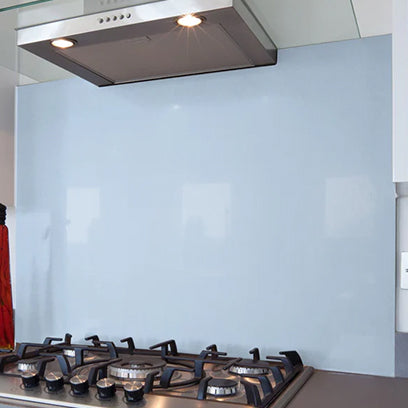
Glass splashbacks are made with tempered glass. They are made by a rapid heating and cooling system creates internal stresses that make it much stronger than ordinary glass, and means it's able to withstand high temperatures and thermal shock. At Bespoke Glass Products, our toughened safety glass splashbacks are heat-resistant up to 400°C and are designed specifically to be placed behind a heat source like a hob.
How toughened glass works behind hobs
A glass splashback behind a hob is exposed to two types of heat: radiant heat from pans and burners, and ambient heat build-up during prolonged cooking. Toughened glass splashbacks are specifically designed to cope with both. Unlike tiles, which have grout lines that can crack or discolour, glass expands evenly across its surface when heated. Cut-outs for sockets, notches, or extractor fan parts must always be made before the toughening process. This can be done easily on our custom splashback portal when you place your order.
Heat-resistant behind gas, electric, and induction hobs
Different hob types produce heat in different ways.
- Gas hobs: These produce direct flame and have higher localised temperatures, meaning a minimum clearance between 50-100mm is recommended, and toughened glass is essential.
- Electric hobs: These emit strong radiant heat without open flames, toughened glass splashbacks handle this well as the heat is more evenly distributed.
- Induction hobs: These generate heat directly to the pan rather than the surface, which results in cooler temperatures for the surrounding materials, and from a temperature resistance perspective, they place the least amount of stress on splashbacks.
Painted vs coloured vs printed glass heat performance
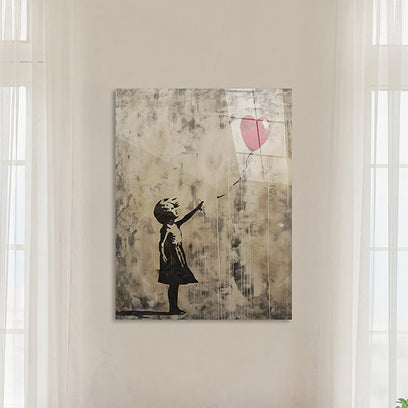
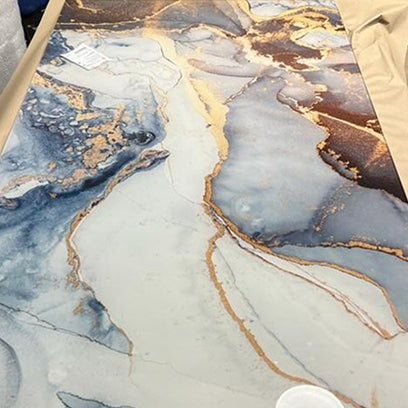
A common misconception is that decorative finishes affect toughened glass's heat resistance. In reality, the glass itself provides the heat protection, not the colour or design. All our glass splashbacks with images or coloured designs are printed directly onto the back of the splashback, so they are protected and cannot be damaged once installed. They have a low iron content, meaning no green tinge, and are made with UV-stable ink, so the design won't fade over time. We have a range of available designs or the option to have a custom image that we can print for you. Across all splashback options, the heat resistance is determined by the toughened glass, not the decorative finish.
Installation considerations to ensure safety
The highest quality heat-resistant glass splashbacks can only take you so far; the installation is equally as important. You should consider:
- The correct clearance from gas burners (50-100mm)
- Using heat-resistant adhesives
- Allowing for expansion gaps, especially around the edges
- Ensuring the wall you're installing it on is flat and structurally sound
We recommend using a professional installer if you're unsure, to ensure your investment's longevity. Our products are made in the UK and are fully aligned with British safety standards that are in place. In the unlikely event the glass does fail, it breaks into small, blunt fragments rather than sharp shards, which is a crucial aspect of kitchen heat safety.
Whether you’re planning a full renovation or upgrading an existing kitchen, selecting the right splashback starts with quality materials and precise manufacturing. All our splashbacks are made from toughened safety glass and designed for safe use in kitchen environments. Explore our full range of colours and designs or contact our dedicated team for further assistance with your project.